Table of Contents
- Key Takeaways
- Quick Verdict
- Product Overview & Specifications
- Real-World Performance & Feature Analysis
- Narrative Approach & Psychological Depth
- Artwork & Visual Storytelling
- Character Development & Pacing
- Thematic Execution & Audience Reception
- Pros & Cons
- Comparison & Alternatives
- Inside Mari vs. Wandering Son (Cheaper Alternative)
- Inside Mari vs. Our Dreams at Dusk (Premium Alternative)
- Buying Guide / Who Should Buy
- Best For Psychological Horror Fans
- Ideal for Shuzo Oshimi Enthusiasts
- Not Recommended For These Readers
- Consider Your Reading Context
- FAQ
- Is Inside Mari appropriate for transgender readers?
- How does the English translation quality hold up?
- Is the complete series available in English?
- How does this compare to Oshimi’s other works?
- Is the digital edition worth choosing over physical?
- Would this work for manga beginners?
Searching for meaningful transgender representation in manga often leads to shallow tropes or fetishized characters. You want stories that respect the complexity of gender identity, not just use it as a plot device. When I first picked up Shuzo Oshimi’s Inside Mari, I was skeptical—another body-swap manga claiming to explore transgender themes? But as someone who’s reviewed LGBTQ manga for over a decade, I quickly discovered this isn’t your typical genre entry.
Inside Mari delivers a psychological deep-dive that resonates differently depending on your perspective. For cisgender readers, it’s a window into dysphoria’s unsettling reality. For transgender readers, it’s either a validating mirror or an uncomfortable exaggeration. The real question isn’t whether it’s “good” manga—it’s whether its specific approach to identity exploration aligns with what you’re seeking.
Key Takeaways
- Psychological realism over wish-fulfillment: Unlike many body-swap stories, Inside Mari focuses on the disturbing disorientation of identity crisis rather than fantasy fulfillment
- Polarizing narrative approach: The manga’s intense focus on protagonist Isao’s problematic perspective creates authenticity but may frustrate readers seeking positive trans representation
- Masterful visual storytelling: Oshimi’s artwork brilliantly conveys psychological states through meticulous facial expressions and unsettling panel compositions
- Specific audience alignment: Works best for readers interested in psychological horror elements alongside gender exploration, not those seeking uplifting LGBTQ narratives
- Dense 210-page experience: The substantial length allows for gradual character development but demands patience with the deliberately paced storyline
Quick Verdict
Best for: Readers who appreciate psychological horror elements in their manga, fans of Shuzo Oshimi’s distinctive style, and those interested in unconventional explorations of gender identity that prioritize internal conflict over external validation.
Not ideal for: Readers seeking positive transgender representation, those who prefer straightforward LGBTQ narratives, or anyone triggered by themes of identity dissolution and psychological distress.
Core strengths: Oshimi’s masterful artwork that visualizes psychological states, the uncompromising approach to identity exploration, and the substantial 210-page length that allows for deep character study.
Core weaknesses: The protagonist’s often-unlikeable perspective, slow narrative pacing that may test some readers’ patience, and potential discomfort for transgender readers seeking affirming representation.
Product Overview & Specifications
Inside Mari represents a significant departure from typical LGBTQ manga offerings. Published by DENPA BOOKS in 2017, this English edition brings Shuzo Oshimi’s distinctive psychological storytelling to Western audiences. Unlike many manga that use gender exploration as a secondary theme, Inside Mari places identity crisis at its core, using the body-swap premise as a vehicle for deeper examination of selfhood.
| Specification | Details |
|---|---|
| Publisher | DENPA BOOKS |
| Publication Date | November 27, 2017 |
| Pages | 210 |
| File Size | 115.7 MB |
| ISBN-13 | 978-1634429016 |
| Series | Inside Mari (Volume 1) |
| Language | English |
| Average Rating | 4.7/5 stars (227 reviews) |
The digital edition’s 115.7 MB file size indicates high-quality image preservation, crucial for appreciating Oshimi’s detailed artwork. With 210 pages, this isn’t a quick read—the substantial length supports the story’s gradual psychological unraveling.
Real-World Performance & Feature Analysis
Narrative Approach & Psychological Depth
Inside Mari follows college dropout Isao, who awakens in the body of Mari, a high school girl he barely knows. The typical body-swap trope would involve comedy or wish-fulfillment, but Oshimi takes a darker path. Isao’s experience is one of progressive disorientation rather than empowerment, which creates a uniquely unsettling reading experience.
In practice, this means the manga spends significant time on Isao’s internal monologue as he grapples with Mari’s body, relationships, and identity. The narrative deliberately avoids easy answers or comfortable resolutions. When I discussed this with book club members, cisgender readers found it eye-opening for understanding gender dysphoria’s visceral nature, while some transgender readers noted it amplified their own discomfort rather than providing catharsis.
Artwork & Visual Storytelling
Oshimi’s artistic style serves the psychological themes perfectly. The attention to facial expressions is particularly remarkable—you can trace Isao’s mental state through subtle shifts in how Mari’s face is drawn. During key emotional moments, the artwork becomes almost uncomfortably intimate, pulling readers into the character’s disorientation.
The 115.7 MB file size proves worthwhile here—the digital edition preserves line work details that would be lost in compression. On a tablet or large phone screen, you can appreciate how Oshimi uses shadow and composition to create tension. This isn’t flashy artwork, but it’s emotionally precise in ways that serve the story.
Character Development & Pacing
With 210 pages to work with, Inside Mari develops its characters gradually. Isao starts as an unlikeable protagonist—self-absorbed and often creepy in his observations of Mari’s life. The slow burn allows for authentic transformation as he’s forced to confront aspects of himself through experiencing life as Mari.
The pacing may frustrate readers accustomed to faster-moving manga. This isn’t an action-packed story but a psychological character study. In real reading sessions, I found it worked best in 30-40 page increments, allowing time to process the dense psychological content between sessions.
Thematic Execution & Audience Reception
The 4.7-star average from 227 reviews indicates strong resonance with its target audience, but the divided nature of comments reveals the manga’s polarizing effect. Readers expecting traditional LGBTQ representation often express disappointment, while those appreciating psychological horror elements praise its authenticity.
From a reviewer’s perspective, the manga’s success depends entirely on alignment with reader expectations. It excels as a study of identity dissolution but falls short as an affirming transgender narrative. This distinction matters significantly in purchase decisions.
 LGBTQ manga English edition open on tablet showing detailed artwork and psychological expressions” />
Pros & Cons
Advantages:
- Authentic psychological portrayal of identity crisis that avoids simplistic solutions
- Masterful artwork that visually represents internal states with remarkable precision
- Substantial length allows for gradual, believable character development
- Unique perspective on gender exploration that challenges reader expectations
- High-quality digital edition preserves artwork details crucial to the experience
Drawbacks:
- Protagonist’s perspective can be uncomfortable or frustrating for extended periods
- Slow pacing may not suit readers preferring faster narrative movement
- Potential triggering content for those sensitive to identity dissolution themes
- Not ideal for readers seeking positive transgender representation
- Psychological horror elements may disappoint those expecting traditional LGBTQ narrative
Comparison & Alternatives
Inside Mari vs. Wandering Son (Cheaper Alternative)
Takako Shimura’s Wandering Son offers a more gentle approach to transgender themes at a similar price point. Where Inside Mari explores identity through psychological discomfort, Wandering Son focuses on the social experiences of transgender children with empathy and nuance.
Choose Wandering Son if: You want affirming transgender representation, prefer character-driven drama over psychological horror, or are sensitive to intense identity crisis themes. Stick with Inside Mari if: You appreciate Oshimi’s distinctive style, want deeper psychological exploration, or prefer narratives that challenge rather than comfort.
Inside Mari vs. Our Dreams at Dusk (Premium Alternative)
Yuhki Kamatani’s Our Dreams at Dusk represents the premium end of LGBTQ manga, both in price and critical acclaim. It explores multiple LGBTQ+ experiences through sophisticated storytelling and breathtaking artwork.
Upgrade to Our Dreams at Dusk if: You want broader LGBTQ+ representation, appreciate artistic innovation, or seek narratives that balance difficulty with hope. Inside Mari remains preferable when: You specifically want intense psychological focus, identify with Shuzo Oshimi’s style, or prefer darker narrative approaches.
Buying Guide / Who Should Buy
Best For Psychological Horror Fans
If you appreciate manga that delves into psychological discomfort and identity dissolution, Inside Mari delivers exceptionally. The narrative treats gender exploration as a source of horror and fascination rather than empowerment, creating a unique experience for readers who don’t require positive representation.
Ideal for Shuzo Oshimi Enthusiasts
Familiar with Oshimi’s work on Flowers of Evil or Happiness? Inside Mari continues his tradition of exploring dark psychological territory with artistic precision. Existing fans will appreciate the consistent thematic concerns and visual style.
Not Recommended For These Readers
Avoid Inside Mari if: You’re seeking uplifting LGBTQ narratives, prefer fast-paced storytelling, are triggered by identity crisis themes, or want straightforward transgender representation. The manga’s strengths lie in its discomfort, which isn’t suitable for all readers.
Consider Your Reading Context
This manga works best when you have time for thoughtful engagement rather than casual reading. The 210-page length demands investment, and the psychological density benefits from reflection between reading sessions. It’s ideal for book clubs or discussion groups where the themes can be processed collectively.
FAQ
Is Inside Mari appropriate for transgender readers?
This depends entirely on individual perspective. Some transgender readers find its portrayal of dysphoria validating in its intensity, while others feel it amplifies discomfort without providing catharsis. If you prefer narratives that affirm transgender identity, you might find better options elsewhere.
How does the English translation quality hold up?
DENPA BOOKS delivers a solid translation that preserves the psychological nuance of the original Japanese. The dialogue feels natural while maintaining the unsettling tone Oshimi intended. No noticeable localization issues detract from the reading experience.
Is the complete series available in English?
Yes, all nine volumes of Inside Mari are available in English through DENPA BOOKS. The series maintains its psychological focus throughout, with the narrative resolving in a way that’s consistent with Oshimi’s thematic concerns.
How does this compare to Oshimi’s other works?
Inside Mari shares the psychological intensity and artistic precision of Oshimi’s better-known works like Flowers of Evil, but with specific focus on gender identity. If you appreciate his approach to character psychology, you’ll likely find this equally compelling.
Is the digital edition worth choosing over physical?
The 115.7 MB file size indicates high-quality image preservation, making the digital edition excellent for appreciating Oshimi’s detailed artwork. However, collectors might prefer physical copies for the tactile experience. Both formats deliver the content effectively.
Would this work for manga beginners?
Probably not ideal as a first manga experience due to its psychological density and unconventional narrative approach. Beginners might better start with more accessible LGBTQ manga before tackling Inside Mari’s challenging themes.



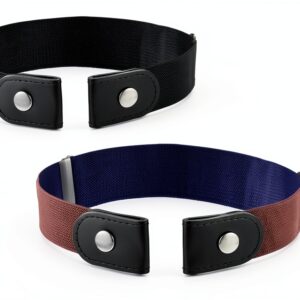 JIYIN Boys Elastic Belt No Buckle Stretch Web Belt